

Shopping for a high quality ruby cut, whether you seek ruby pendants or a ruby necklace, is a rewarding experience.
However, choosing the right cut requires knowledge about the difference between each so you can pick your desired look.
We have compared the most popular ruby cuts to help you make an informed decision.

Comparing the best ruby cuts
Oval cut
The oval cut is one of the most common and popular choices, as it results in an elongated shape which is pleasing to the eye. It is perceived by many as more elegant, as it provides a balanced look without sharp corners, keeping attention on the depth of the red.
As light moves gently through the curves, it creates a soft and even glow as opposed to sudden flashes when the wearer moves. It works well for solitaire rings and pendants, especially when paired with diamonds, to provide a regal and sophisticated look.
Cushion cut
Another luxurious choice is the cushion cut, which is square or rectangular with rounded corners. It is typically used in luxury rings and is ideal for larger rubies. Also known as the pillow cut, it is often used in wedding presents or for engagement rings as it exudes a romantic allure.
Similarly to the oval cut, the cushion cut holds colours in a rich and steady way. It stands out as its angled sides allow it to create small pockets of sparkle without overwhelming the natural hue. The warm red hue remains the main focus, making this cut a top choice for rubies with strong saturation.

Round brilliant cut
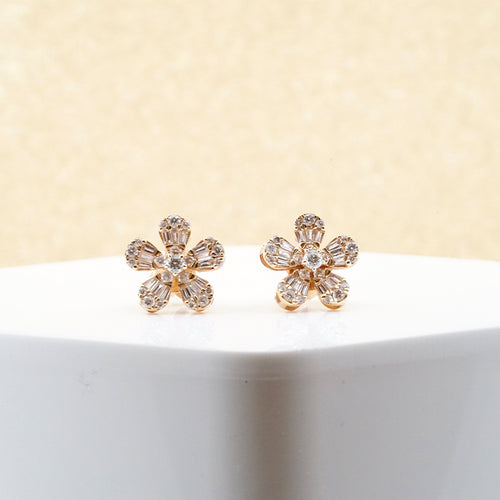
Also known as the round cut, the round brilliant cut provides a symmetrical look which is aesthetically pleasing and offers excellent light reflection. It is suitable for smaller stones, as cutting a larger ruby into this shape can result in weight loss. Round cuts are often seen in earrings, allowing for a warm yet understated glow.
The cut is shaped with many small and carefully positioned facets to maximise sparkle, with the circular outline letting light enter from multiple angles. It hides inclusions well and naturally draws out the clearest parts of the stone. Overall it gives the ruby a timeless and universal appeal.
Emerald cut
An emerald cut ruby features an eye-catching rectangular shape with step-cut facets which run in long, straight lines and create a sophisticated look. It is typically seen in fine ruby rings, including three-stone settings and solitaire rings.
The light will move in broad flashes, making the ruby look refined and structured. Its clean and geometric design will highlight the stone’s natural clarity, so it is chosen when the ruby has minimal visible inclusions.

Pear cut
The pear cut is known for its classic teardrop shape with a single pointed tip, which draws light towards this narrow point. It results in a gentle and elongated glow which naturally pulls the eye downward, making the cut an ideal choice for both pendants and drop earrings.
Those using the pear cut to its advantage will make the ruby look large yet refined at the same time, resulting in a graceful and fluid look. It flatters the finger when worn as a ring, providing a shimmering look which stands out compared with the classic round brilliant or oval cut ruby rings.
Marquise cut
Those with a marquise cut ruby will have an elongated shape with narrow, sharp ends, which can make the stone look larger. It requires careful setting so the pointed tips are protected from damage, but the end result is highly desirable for fine jewelry.
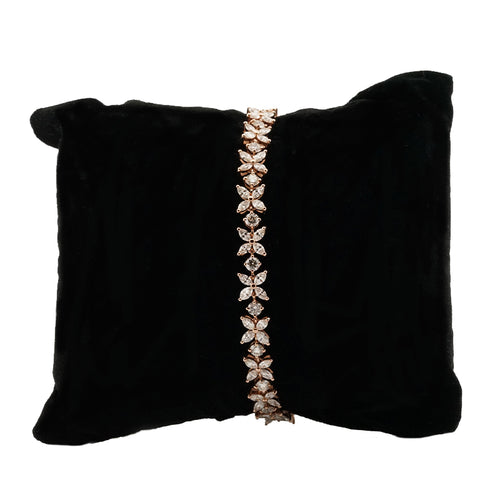
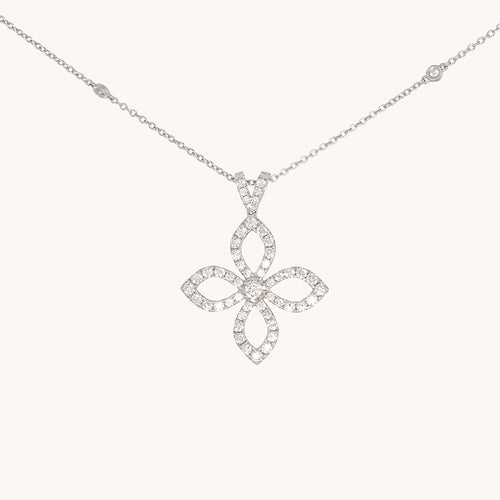
It can be featured as a single stone on engagement rings, eternity rings or solitaire rings, or it will be shown as multiple stones to create floral or butterfly shapes for earrings and pendants. One such example is the Ruby Wings pink butterfly pendant from Mera Jewelry. As it tapers off at the end, its delicate look is sought after for understated jewelry which exudes luxury.

Radiant cut
A radiant cut ruby combines the rectangular outline of an emerald cut with the unique facet pattern of the brilliant cut. It creates eye-catching flashes of light which mesh well with straight edges that provide a structured shape. The balance of this cut gives the ruby depth, which is ideal for stones with strong color that need extra brightness.
As this cut has clipped corners, it protects the ruby from chipping while adding a modern feel. It is less well known than other cuts, making it a talking point for the wearer who presents a radiant cut pendant, ring or set of earrings.
Heart cut
As the name suggests, the heart cut is often seen in engagement gifts, wedding presents or other expressions of love. It requires a highly skilled cut to ensure the result is symmetrical, which means the price tag is often larger.
While it is less common, it is valued due to its sentimental nature when gifted as a ring or pendant. For example, the heart shaped ruby earrings from Mera are set in 14k gold with a deep red hue which provide a timeless symbol of passion.

Which ruby cut to choose?
Before deciding on a ruby, assess the quality of the stone using the four Cs - color, clarity, cut and carat weight.
The highest quality ruby will have a pure and vibrant red which verges on slightly purple in color. Lower quality stones will become too orange or more purple; furthermore, the gem must be neither too dark nor too light.
Most rubies will have at least some inclusions, but the value will depend on how visible these are. Obvious inclusions, especially those that reduce transparency or brightness, will lower the value noticeably.
Cut is also important, as rubies which are not cut into the best shape for their type will be worth less. Finally, the price per carat will increase as a ruby increases in size.
Beyond the quality, here is a general guide to the ruby cut which suits your desires:
For visual size: Oval cut, cushion cut
For sparkle: Round brilliant cut, mixed cut
For engagement rings: Cushion cut, heart cut
For a delicate look: Pear cut, heart cut
For classic rubies: Marquise cut, emerald cut