
How to Clean Earrings After Removing Them: Safe Methods for Every Type
To clean earrings after removing them, mix 1–2 drops of mild liquid dish soap with approximately 1 cup (240 ml) of lukewarm water, provided your jewelry is water-safe. Use a soft microfiber cloth or extra-soft brush to clean the posts, backs, and gemstone settings. Rinse carefully and dry completely before wearing or storing. For frequently worn gold and diamond earrings, consider gentle cleaning every 2–4 weeks, while delicate materials such as emeralds and pearls need special care. Always identify the jewelry material first, because harsh cleaning products and excessive scrubbing can damage precious metals, gemstone treatments, and plated finishes.
How to Clean Earrings at Home After Removing Them
Cleaning earrings helps remove skin oils, makeup, lotions, and residue that collect around the posts and backs. For most compatible solid gold earrings and securely set diamond studs, a mild soap-and-water solution is sufficient.
Before cleaning, check that the earrings don't have loose stones, damaged clasps, or materials that require special care.
If you're unsure how to remove a particular backing, read our guide on how to take off earrings safely before starting.
What Do You Need to Clean Earrings?
Prepare these basic cleaning supplies:
- Cleaning liquid: 1–2 drops of mild, fragrance-free liquid dish soap mixed with 1 cup (240 ml) of lukewarm water.
- Cleaning cloth: A clean, soft, lint-free microfiber or jewelry cloth.
- Cleaning brush: An extra-soft jewelry brush or unused, soft-bristled toothbrush for durable settings.
- Rinsing water: A separate bowl of clean, lukewarm water.
- Drying cloth: A clean, dry, lint-free cloth.
The soap quantity is a gentle household dilution, not a universal jewelry-cleaning formula. Always follow the care instructions supplied with your earrings.
Step-by-Step: How to Wash Earrings Safely
Step 1: Inspect the earrings. Check the posts, clasps, and gemstone settings. If a stone is loose or a post is bent, have the jewelry inspected before washing.
Step 2: Prepare your cleaning liquid. Mix the mild soap with lukewarm water. Avoid hot water, bleach, and strong household detergents.
Step 3: Separate the backings. Remove butterfly backs or screw backs when the design permits. Keep the small components together.
Step 4: Clean the jewelry. Lightly dampen the cloth or soft brush. Gently clean the front, posts, backings, and accessible areas behind gemstone settings. Use only enough pressure to lift surface residue without bending any metal components.
Step 5: Rinse carefully. Rinse water-safe earrings in a separate bowl of clean water rather than over an open sink drain.
Step 6: Dry completely. Pat dry with a lint-free cloth and allow any trapped moisture around the clasp or setting to dry before wearing or storing.
For pearls, treated gemstones, delicate plated finishes, or jewelry with adhesives, use the material-specific method below instead of automatically following the washing process.
How to Clean Different Types of Earrings
The material determines which cleaning liquid, cloth, pressure, and cleaning frequency are appropriate.
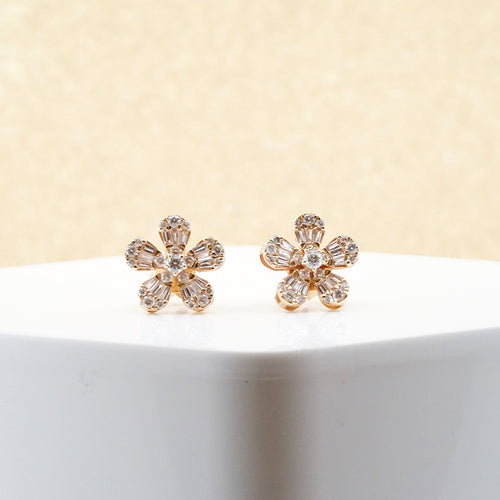
How to Clean Diamond Earrings
Diamond earrings can look cloudy when skin oils, lotions, and makeup collect on the stones and underneath their settings.
Cleaning method:
- Liquid: Mix 1–2 drops of mild liquid dish soap into 1 cup of lukewarm water.
- Cloth and brush: Use a clean microfiber cloth and an extra-soft jewelry brush.
- Pressure: Brush lightly around the setting without pressing against or bending the prongs.
- Washing: For securely set, water-safe earrings, carefully clean the front and underside of each diamond.
- Rinsing: Rinse in a separate bowl of clean water.
- Drying: Pat dry with a lint-free cloth and check for remaining moisture around the setting.
Pay particular attention to the underside of diamond studs. Oils trapped there can reduce their visible sparkle.
How often should you clean diamond earrings?
- After every wear: Wipe away visible oils and fingerprints.
- Every 2–4 weeks: Consider gentle washing if you wear the earrings frequently.
- Clean earlier: When makeup, lotions, or skin oils visibly reduce their sparkle.
Avoid ultrasonic or steam cleaning at home if you are uncertain about the gemstone treatments or setting condition.
How to Clean Silver Earrings
Silver earrings can accumulate ordinary dirt or develop tarnish, which appears as yellowish, brown, or dark discoloration. Tarnish requires a different treatment from surface oils.
Cleaning method:
- Liquid: For ordinary dirt, mix 1–2 drops of mild liquid soap into 1 cup of lukewarm water.
- Cloth: Use a soft microfiber cloth. For tarnish on uncoated sterling silver, use a dedicated silver polishing cloth.
- Pressure: Wipe lightly without repeatedly rubbing the same area.
- Washing: Clean accessible surfaces, posts, and backs with the dampened cloth.
- Rinsing: Rinse only if the entire earring is water-safe.
- Drying: Pat dry thoroughly before storing.
For tarnished sterling silver, follow the polishing-cloth manufacturer's instructions. Avoid polishing intentionally oxidized details or delicate plated surfaces.
How often should you clean silver earrings?
- After every wear: Wipe away skin oils and fingerprints.
- Every 2–4 weeks: Check frequently worn earrings for build up and wash if necessary.
- When tarnish appears: Use an appropriate silver polishing cloth rather than polishing on a fixed schedule.
How to Clean Gold Earrings
Solid 10K, 14K, and 18K gold earrings generally tolerate gentle washing when their gemstones, finishes, and construction are compatible with water.
Cleaning method:
- Liquid: Add 1–2 drops of mild liquid dish soap to 1 cup of lukewarm water.
- Cloth and brush: Use a clean microfiber cloth and an extra-soft brush for small crevices.
- Pressure: Apply gentle fingertip pressure without pressing on decorative elements or gemstone prongs.
- Washing: Clean the surface, posts, and removable backs. Brush accessible areas containing visible residue.
- Rinsing: Rinse suitable earrings using clean water.
- Drying: Pat dry with a lint-free cloth, especially around clasps.
If your gold earrings remain dull after washing, the surface may be scratched rather than dirty. Stronger cleaning will not remove scratches.
How often should you clean gold earrings?
- After every wear: Gently wipe with a soft jewelry cloth.
- Every 4 weeks: Wash frequently worn, water-safe gold earrings.
- Clean earlier: After substantial exposure to makeup, lotion, or visible buildup.
Mera Jewelry's published metal-care guidance recommends gentle polishing after wearing and light cleaning with diluted mild soap approximately once a month for applicable designs.
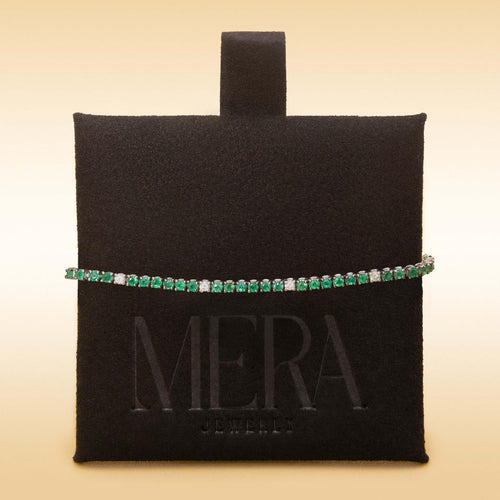
How to Clean Emerald Earrings
Emeralds require gentle handling because many contain natural fractures filled with oils or resins. Excessive heat, aggressive cleaning, and unsuitable chemicals may affect these treatments.
Cleaning method:
- Liquid: Mix 1 drop of mild, fragrance-free liquid soap into approximately 1 cup of lukewarm water.
- Cloth: Use a freshly cleaned, very soft microfiber or lint-free jewelry cloth.
- Pressure: Guide the cloth using light fingertip movements. Do not press down or scrub repeatedly.
- Washing: Lightly dampen the cloth and gently wipe the emerald and accessible metal surfaces. A very soft brush may be used cautiously on compatible, secure settings.
- Rinsing: Remove soap residue with a second cloth dampened with clean water, or rinse gently if the jewelry's instructions permit it.
- Drying: Pat carefully with a dry lint-free cloth and allow the earrings to dry completely.
Avoid prolonged soaking, sudden temperature changes, and excessive brushing.
How often should you clean emerald earrings?
- After every wear: Wipe gently with a soft jewelry cloth.
- Every 2–3 months: Consider gentle washing according to the specific jewelry's care instructions.
- Clean earlier: If visible makeup or oils accumulate around the setting.
Mera Jewelry's published emerald-care instructions recommend gentle washing every two to three months for applicable pieces. Do not use steam or ultrasonic cleaners on emerald earrings.
How to Clean Pearl Earrings
Pearls have a comparatively soft surface that can be damaged by abrasion, cosmetics, chemicals, and excessive heat.
Cleaning method:
- Liquid: Use clean, lukewarm water for routine wiping. For occasional deeper cleaning, use very mild soapy water only when suitable for the pearls and setting.
- Cloth: Choose a freshly cleaned, exceptionally soft, lint-free cloth.
- Pressure: Use feather-light strokes without scrubbing.
- Cleaning: Gently wipe the pearl surface and clean accessible metal components separately.
- Rinsing: Remove soap with another slightly damp cloth rather than soaking adhesive-mounted earrings.
- Drying: Pat dry gently and allow any remaining moisture to evaporate before storage.
How often should you clean pearl earrings?
- After every wear: Wipe the pearl surface with a soft cloth.
- Every 4–8 weeks: Inspect regularly worn earrings and clean more thoroughly only if necessary.
- Clean earlier: If perfume, makeup, or perspiration leaves visible residue.
Do not use ultrasonic cleaners, steam, abrasive brushes, or strong cleaning chemicals.
How to Clean Gold-Plated Earrings
Gold-plated earrings have a thin gold layer over another metal. Aggressive polishing and repeated abrasion can gradually wear away this finish.
Cleaning method:
- Liquid: Start with clean water on a slightly damp cloth. Use very diluted mild soap only if the manufacturer's care instructions permit it.
- Cloth: Use a soft microfiber cloth without abrasive polishing compounds.
- Pressure: Wipe gently with minimal pressure.
- Cleaning: Remove surface oils and cosmetic residue without scrubbing the plating.
- Rinsing: If soap is used, remove it with a clean, slightly damp cloth rather than soaking the piece.
- Drying: Pat dry immediately using a second soft cloth.
How often should you clean gold-plated earrings?
- After every wear: Lightly wipe away fingerprints and oils.
- Every 3–4 weeks: Inspect frequently worn earrings and clean gently if buildup is present.
- Clean earlier: When makeup or lotion residue becomes visible.
Avoid abrasive jewelry polish, harsh brushes, and prolonged soaking. Cleaning cannot restore gold plating that has already worn away.
How to Clean Earring Posts, Backs and Intricate Settings
The posts and backings often collect residue because they remain close to the skin. Clean these components separately when the design permits.
|
Earring component |
How to clean it |
|
Butterfly backs |
Gently brush the accessible metal loops and center opening |
|
Screw backs |
Clean visible residue from the threads with a soft brush |
|
Flat backs |
Wipe the flat disc and post connection |
|
Hoop clasps |
Clean around the hinge with a soft cloth |
|
Diamond cluster settings |
Lightly brush accessible spaces between securely set stones |
|
Pavé or halo settings |
Clean gently without catching or bending small prongs |
For intricate floral, cluster, or pavé earrings, avoid scraping between gemstones with needles or sharp tools.
Mera Jewelry Care Tip: When earrings combine diamonds with emeralds or other delicate gemstones, follow the cleaning requirements of the most sensitive component rather than using the method recommended for diamonds alone.
If dirt remains trapped beneath an inaccessible setting, professional cleaning is safer than aggressive brushing.
How to Clean Earrings That Smell or Have Stubborn Buildup
White or yellowish residue around earring posts can contain skin oils, dead skin, and other material that accumulates during wear. Moisture and buildup may also contribute to an unpleasant odor.
For jewelry worn in fully healed piercings:
- Inspect the posts and backs for visible deposits.
- Clean the earrings using the method suitable for their material.
- Gently clean the surrounding skin of the healed piercing separately.
- Dry both the earrings and the skin.
- Check for remaining buildup before wearing them again.
If residue remains, distinguish dirt from tarnish or damaged plating. Stronger scrubbing will not repair every discoloration.
When to seek help: If the piercing has increasing redness, swelling, pain, warmth, or unusual discharge, seek medical advice. Cleaning jewelry does not treat a piercing infection.
How to Tell Whether Earrings Are Clean Enough to Wear
Before putting your earrings back on, use this checklist:
- Posts: No visible dirt, sticky residue, or sharp damage.
- Backings: Clean, completely dry, and securely functioning.
- Gemstones: No loose stones or bent prongs.
- Metal surfaces: No remaining soap or cleaning-product residue.
- Piercing: No significant pain, swelling, bleeding, or unusual discharge.
If the earrings pass these checks and your piercing is healthy and sufficiently healed, they are generally ready for ordinary wear.
Important: Visibly clean jewelry is not necessarily sterile. If earrings were worn during an infection or will be inserted into a fresh piercing, seek appropriate professional guidance rather than relying on household cleaning.
Common Earring Cleaning Mistakes to Avoid
|
Mistake |
Why it should be avoided |
|
Using toothpaste or abrasive baking soda paste |
Can scratch polished metals and delicate finishes |
|
Applying bleach or strong household chemicals |
May damage metal alloys, gemstones, or coatings |
|
Soaking all earrings |
Some materials, gemstone treatments, and adhesives are moisture-sensitive |
|
Using ultrasonic cleaners indiscriminately |
Can damage vulnerable stones and settings |
|
Scraping dirt with needles |
May scratch jewelry or damage the clasp |
|
Cleaning with excessive pressure |
Can bend prongs, loosen stones, or damage plating |
|
Storing earrings while damp |
Can leave moisture trapped around small components |
Use the gentlest cleaning method that effectively removes the residue.
How Often Should You Clean Earrings? Quick Schedule
These suggested intervals apply primarily to regularly worn earrings. They are practical care guidelines, not medically established schedules or requirements to wash jewelry that is already clean.
|
Earring type |
Routine cleaning |
Suggested deeper cleaning |
|
Diamond earrings |
Wipe after wearing |
Every 2–4 weeks |
|
Silver earrings |
Wipe after wearing |
Check every 2–4 weeks; polish when tarnished |
|
Solid gold earrings |
Wipe after wearing |
About every 4 weeks |
|
Emerald earrings |
Wipe after wearing |
About every 2–3 months, if appropriate |
|
Pearl earrings |
Wipe after every wear |
Only when needed; inspect every 4–8 weeks |
|
Gold-plated earrings |
Wipe gently after wearing |
Check every 3–4 weeks; clean if needed |
The soap quantities and intervals are practical starting points, not universal formulas. Pressure cannot be accurately prescribed in grams or force units for home jewelry cleaning. Use light wiping that does not deform prongs, loosen stones, or damage finishes. Always follow the specific product's care instructions.
How to Store Earrings After Cleaning
Once your earrings are completely dry, keep them in a soft jewelry pouch or lined compartment.
Store matching backings with each pair to prevent losing small components. Keep delicate gemstone earrings separately to reduce scratches.
Avoid storing fine jewelry near perfume, humidity, or household cleaning products. Before wearing a pair again after extended storage, inspect the clasps and posts for damage.
Frequently Asked Questions
What is the best liquid to clean earrings at home?
For many water-safe earrings, 1–2 drops of mild liquid dish soap mixed with approximately 1 cup of lukewarm water provides a gentle cleaning solution. Always check gemstone and finish compatibility first.
Can you use rubbing alcohol to clean earrings?
Rubbing alcohol is not universally safe for fine jewelry. It may be incompatible with certain gemstone treatments, coatings, and adhesives. It should not be used on healing piercing tissue.
Can I clean earrings with just water?
Clean water can remove light surface residue, but a mild soap solution is often more effective for removing skin oils from compatible jewelry.
How long should earrings soak before cleaning?
There is no universal soaking time. Many earrings do not need soaking at all. For water-safe jewelry, gentle cleaning with a damp brush or cloth is often sufficient. Avoid prolonged soaking of sensitive gemstones and finishes.
Can you clean earrings without removing them?
If a piercing is still healing, follow your piercer's aftercare instructions and avoid unnecessarily removing the jewelry. For fully healed piercings, removing earrings allows more thorough cleaning of the posts and backs.
Should you clean newly purchased earrings?
Inspect new earrings for residue and follow the manufacturer's cleaning instructions where needed. Ordinary washing does not sterilize jewelry for use in a new piercing.
Can I wear earrings immediately after cleaning them?
Yes, if the earrings are completely dry, free from visible residue, structurally sound, and being inserted into a healthy, sufficiently healed piercing.
Final Thoughts
Knowing how to clean earrings after removing them helps preserve their appearance and prevent residue from collecting around posts, backs, and gemstone settings.
Mild soap and lukewarm water work for many durable designs, while emeralds, pearls, and gold-plated earrings require gentler handling. Choose the right cloth, use minimal cleaning pressure, follow material-specific care instructions, and check your earrings before wearing them again.
At Mera Jewelry, we believe thoughtful jewelry maintenance is part of enjoying fine jewelry for years to come. Explore our collection of earrings for women and discover pieces designed for everyday elegance and special occasions.